

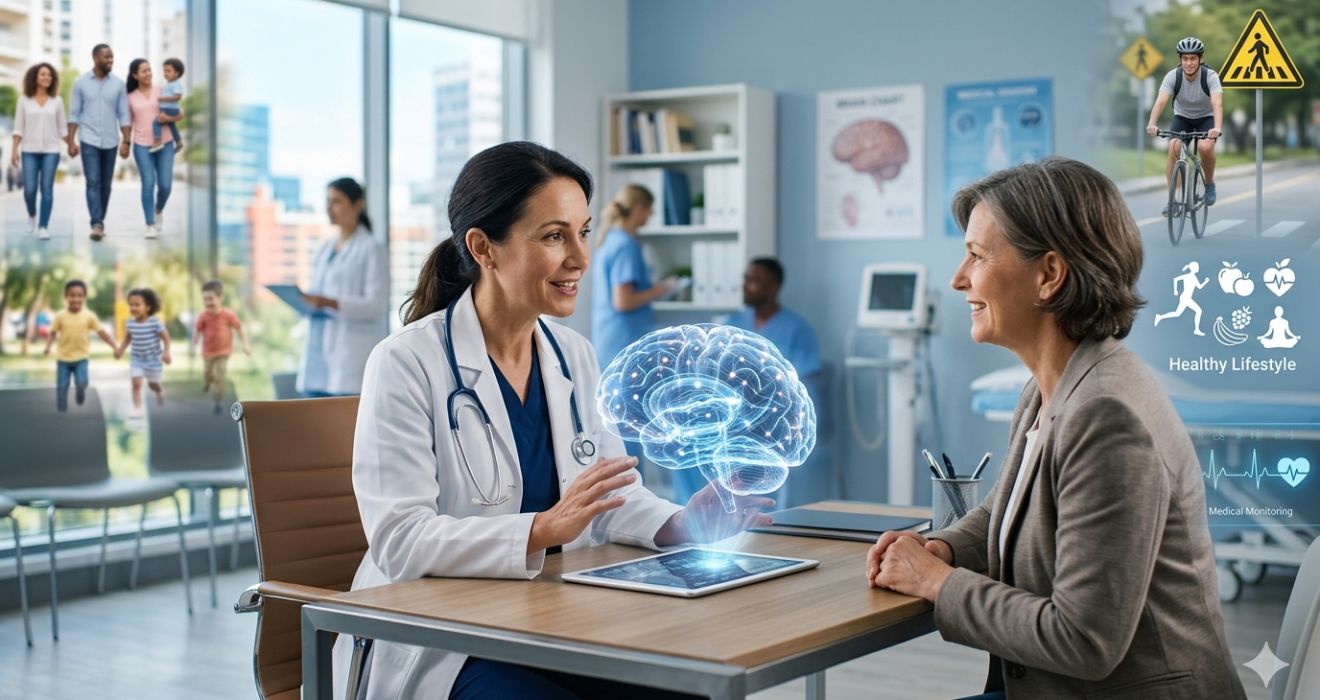
Neurologists and Public Safety: Protecting Brain Health for Everyone
Introduction
The health of the brain and nervous system plays a vital role in our daily lives. From walking and speaking to making decisions and remembering important information, the brain controls nearly every function of the human body. Neurologists are medical specialists who diagnose, treat, and help prevent disorders affecting the brain, spinal cord, nerves, and muscles. Their work contributes not only to individual patient care but also to the overall safety and well-being of the general public.
Why Neurological Health Matters
Neurological conditions such as stroke, epilepsy, dementia, Parkinson’s disease, migraine, and traumatic brain injuries can significantly affect a person’s ability to function safely. These conditions may impact driving, workplace performance, decision-making, balance, and coordination.
Early diagnosis and treatment by neurologists can help reduce risks, improve quality of life, and prevent serious complications.
How Neurologists Contribute to Public Safety
1. Early Detection of Serious Conditions
Neurologists identify warning signs of potentially life-threatening conditions such as:
- Stroke
- Brain tumors
- Meningitis
- Neurodegenerative diseases
Early intervention can save lives and reduce long-term disability.
2. Preventing Stroke and Disability
Stroke is one of the leading causes of death and disability worldwide. Neurologists educate patients about risk factors including:
- High blood pressure
- Diabetes
- Smoking
- Obesity
- High cholesterol
By promoting prevention and rapid treatment, neurologists help reduce the burden of stroke on families and communities.
3. Managing Epilepsy and Seizure Disorders
People with uncontrolled seizures may face risks while driving, swimming, operating machinery, or performing hazardous work. Neurologists help patients achieve seizure control through medication, lifestyle adjustments, and monitoring, improving both personal and public safety.
4. Supporting Road Safety
Certain neurological disorders can affect reaction time, vision, attention, and coordination. Neurologists assess patients’ fitness for driving and provide recommendations that help prevent accidents and protect all road users.
5. Educating the Public
Neurologists often participate in awareness campaigns about:
- Stroke symptoms
- Concussion prevention
- Dementia awareness
- Brain injury prevention
- Healthy lifestyle choices
Public education empowers individuals to seek timely medical care and adopt healthier habits.
Brain Safety Tips for the General Public
To maintain neurological health, individuals can:
- Exercise regularly.
- Maintain healthy blood pressure and cholesterol levels.
- Avoid smoking and excessive alcohol consumption.
- Wear helmets during cycling and sports activities.
- Use seat belts while traveling.
- Get adequate sleep.
- Manage stress effectively.
- Seek medical attention for persistent headaches, memory problems, seizures, or sudden neurological symptoms.
Recognizing Neurological Emergencies
Immediate medical attention should be sought if someone experiences:
- Sudden weakness or numbness on one side of the body
- Difficulty speaking or understanding speech
- Sudden vision loss
- Severe, unexplained headache
- Loss of consciousness
- Seizures lasting longer than a few minutes
Prompt treatment can significantly improve outcomes.
Conclusion
Neurologists play a critical role in protecting public health and safety by diagnosing neurological disorders, preventing complications, educating communities, and promoting brain health. Through awareness, preventive care, and timely treatment, both healthcare professionals and the general public can work together to reduce the impact of neurological diseases and create safer, healthier communities.
Brain health is public health. Taking care of the nervous system today can help prevent serious health challenges tomorrow.